

- cross-posted to:
- opensource@lemmy.ml
- cross-posted to:
- opensource@lemmy.ml
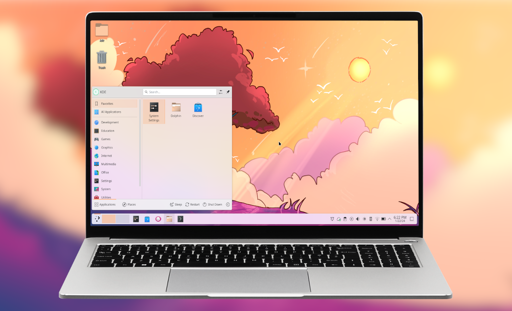
The investment will be used to strengthen the structural reliability and security of KDE’s core infrastructure, including Plasma, KDE Linux, and the frameworks underlying its communication services.
Lol I figured. I took it for a brief spin again about a year ago, but not long enough to form a super informed opinion about it. I was looking to discuss with the other guy, which is what happened. I appreciate your update.
Seriously speaking, while Linux has tremendous issues with user interfaces and experiences about them, I don’t believe Gnome is the worst here. In my opinion it’s rather the opposite. I don’t like KDE for its too much of everything, but otherwise it’s pretty good. And I can see myself using it. I guess to enjoy Gnome you have to use it at least long enough to actually get it. I can believe it’s not everyone’s cup of tea. But come on, most times I’m terrified by what these folks actually like. I use sway wm, but some kind of Xfce / Cinnamon and alike are just in some ‘Windows 3.1 nostalgia’ department in my book.
Tell me why someone should migrate to a DE with steep learning curve when this person is already pretty productive with a “Windows 3.1 nostalgia” DE.
That’s the beauty of open source software: you don’t have to! But tell me why would a newcomer want to have either ‘hello from 80s’ interface or a powerful indeed interface but with a gazillion of bells and switches? That’s where Gnome shines. I can recommend it to anyone who is new. A non-tech friend got it with no training at all. He just said it’s like a tablet. Which is not a bad thing, actually. It’s simple enough for a newcomer to learn quickly. But also powerful enough for someone with 20 years of Linux experience to use daily.
Yes, it is. But let’s agree to disagree. My beef is with Gnome, not its users.
This is exactly why I use and recommend Gnome. Less fiddling around and it does powerful stuff for me, and for others it is quick to learn and its simplicity makes it hard(er) to get lost in the details.
I suppose so, but xfce and cinnamon do excel in use cases where the graphical polish of gnome and kde are either unnecessary or are too resource intensive. For old devices or servers where you want a desktop, they both work really effectively while using pretty much the bare minimum.
Like most things involving Linux, it’s more about options and flexibility than making a desktop that works in all use cases. There are actually quite a few things I like about gnome, and I wouldn’t mind using it, I just like being given a million options to tinker with lol.
I may look like someone who don’t like them (and I actually do not like them), but when given a bit of a thought to it, I don’t mind anyone using anything. I just don’t like it when these are recommended to the newcomers. But since I don’t use them, I may be very wrong here, they could advance significantly since the last time I used them. Personally, however, I prefer simpler things like Sway on a low-powered machines. It works really well, the last two devices I tried it with were Windows tablets of 10+ years ago, and it works pretty well. I assume these two would also do well though.